How Automated Reconciliation Processes Reveal Hidden Patterns in Multi-Channel Sales Data
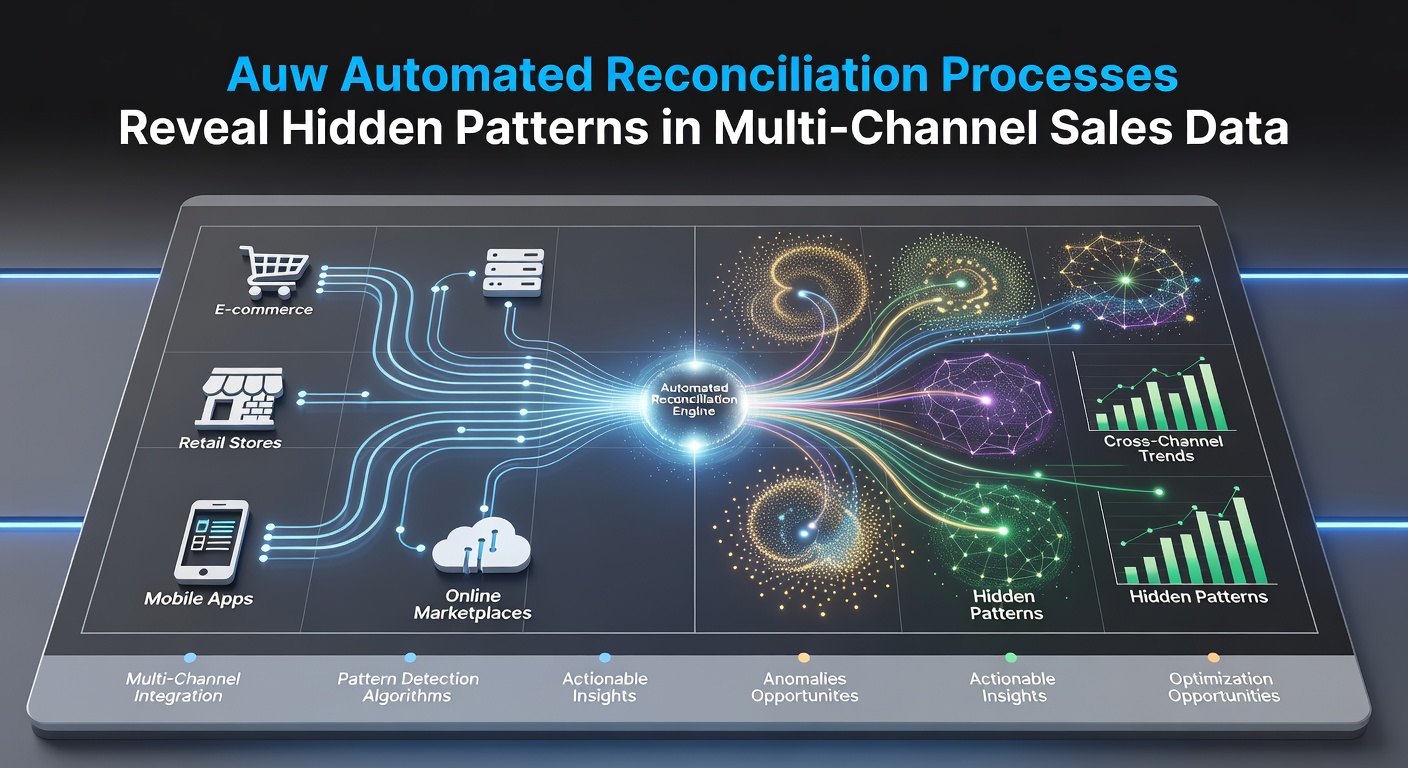
Automated reconciliation processes match transactions from disparate sales channels such as online marketplaces, physical stores and direct-to-consumer platforms while identifying discrepancies that traditional manual methods often overlook. These systems pull data streams together in real time and apply algorithmic matching rules that flag inconsistencies in amounts, dates and identifiers across sources. Retail operations that span multiple channels generate vast volumes of payment and order records each day and automation turns this raw flow into structured insights that highlight recurring trends in customer behavior and inventory movement.
Core Mechanics of Automated Reconciliation
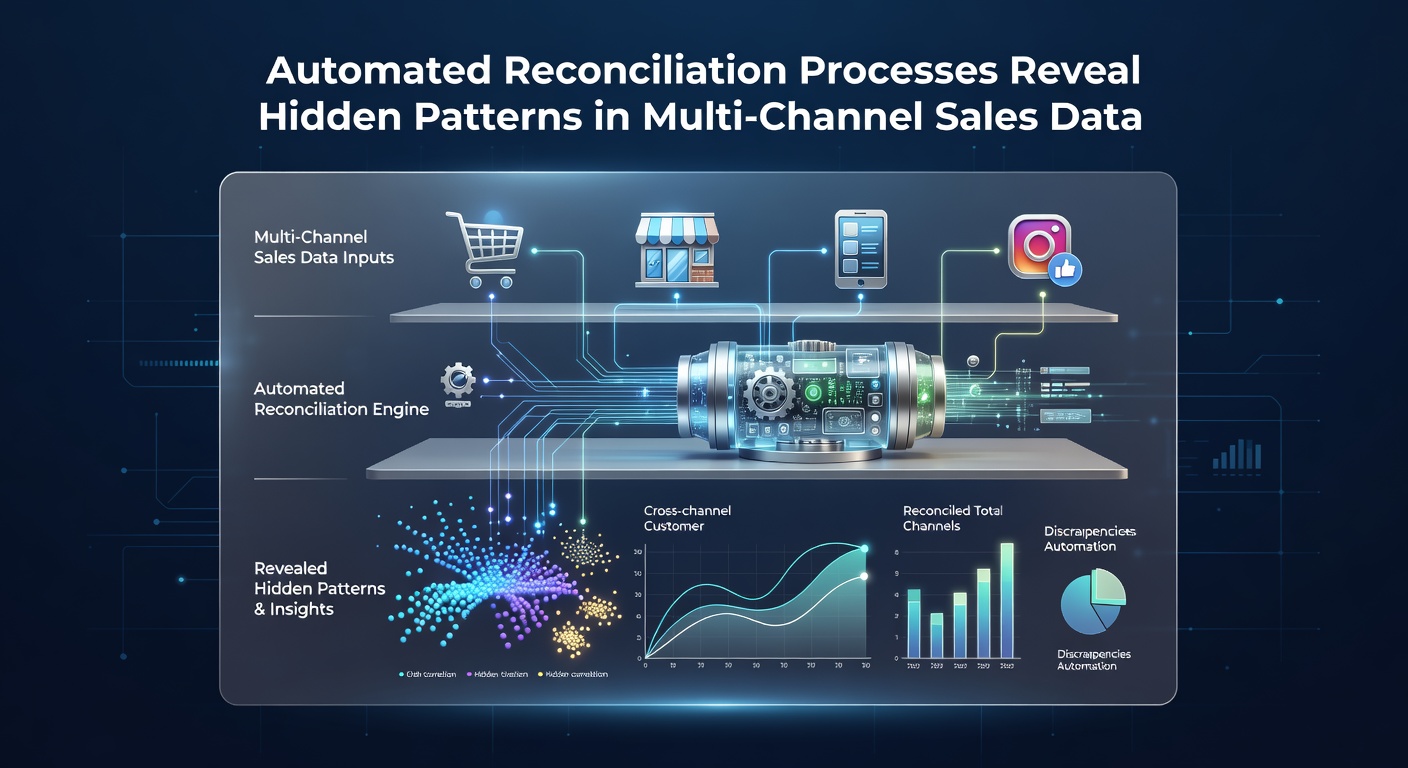
Software platforms ingest transaction logs from payment gateways, point-of-sale terminals and third-party marketplaces then apply rule-based and machine-learning filters to pair credits with debits and orders with fulfillments. When a sale originates on one channel and a refund appears on another the system cross-references timestamps, customer identifiers and product codes to confirm whether the entries represent the same event or a separate occurrence. Researchers at the Australian Bureau of Statistics have documented how such matching reveals seasonal demand shifts that appear consistently across digital and brick-and-mortar outlets during specific calendar periods.
Discrepancies that survive initial matching trigger alerts and route to exception queues where analysts review supporting documentation. Over repeated cycles the accumulated exception data itself becomes a dataset that shows which product categories or payment methods produce the highest rates of mismatch. This secondary pattern layer emerges only after automation has standardized the first-pass matching across thousands of daily records.
Multi-Channel Data Complexity and Hidden Correlations
Each sales channel records information in slightly different formats and time zones which creates alignment challenges that grow exponentially with volume. Automated tools normalize these formats by mapping fields such as SKU, transaction ID and currency codes into a common schema before reconciliation begins. Once normalized the system can detect correlations that span channels for example when a promotion on an online marketplace drives increased returns through physical stores several days later.
Data from the US Census Bureau retail trade reports shows that multi-channel retailers experience measurable upticks in cross-channel return activity following coordinated discount campaigns. Automated reconciliation captures these sequences because it maintains longitudinal records rather than processing each day in isolation. The resulting pattern maps allow inventory planners to adjust stock levels in anticipation of return waves rather than reacting after shelves are already overstocked.
Pattern Detection Through Continuous Matching
Machine-learning models embedded in reconciliation engines learn normal transaction profiles for each channel and flag deviations that fall outside established parameters. These deviations often cluster into recognizable groups such as repeated micro-discrepancies in high-volume SKUs or timing offsets that align with specific payment processors. Observers note that such clusters frequently point to underlying operational issues like delayed settlement reporting or inconsistent fee calculations that only surface when all channels are examined together.
Take one logistics coordinator who noticed that certain product bundles sold through social commerce platforms consistently generated partial shipments recorded as separate line items. The reconciliation system aggregated those partial records and revealed a systematic under-fulfillment pattern that manual spot checks had missed. Once identified the operation adjusted its order-splitting logic and reduced subsequent mismatches by measurable margins.
Observed Outcomes in Retail Operations
Companies running automated reconciliation on multi-channel datasets report faster identification of revenue leakage tied to unapplied discounts or duplicate charges. The same systems surface demand forecasting signals by tracking how sales velocity in one channel predicts activity in others with a measurable lag. In May 2026 industry analyses indicated that retailers using these tools achieved tighter alignment between forecasted and actual inventory movement across channels compared with prior periods.
Payment settlement variances also become visible when reconciliation engines compare expected gateway payouts against bank deposits across all channels. Patterns in these variances sometimes trace back to regional processing delays or currency conversion timing differences that affect cash-flow projections. The aggregated view allows finance teams to refine liquidity models rather than treating each channel settlement as an independent event.
Integration With Broader Analytics Frameworks
Reconciliation outputs feed directly into business intelligence dashboards that overlay sales patterns with marketing spend and customer acquisition costs. When automated matching highlights that certain channels produce higher rates of repeat purchases the marketing function can allocate resources toward those acquisition paths with greater precision. The data loop strengthens as reconciled records improve the accuracy of downstream analytics models.
Regulatory bodies in multiple jurisdictions require accurate transaction reporting for tax and consumer protection purposes. Automated reconciliation supports compliance by maintaining auditable trails that link each original sale to its final settlement status across channels. This traceability reduces the manual effort needed to respond to inquiries while providing documented evidence of pattern-based adjustments.
Conclusion
Automated reconciliation transforms fragmented multi-channel sales records into unified datasets that expose correlations in returns, demand timing and settlement behavior. The process relies on standardized data ingestion, algorithmic matching and iterative exception analysis to surface patterns that remain invisible under manual review. Retail operations that implement these systems gain visibility into cross-channel dynamics that support inventory planning and revenue tracking without relying on anecdotal observation.