Unpacking How Support Teams Streamline Fee Negotiations During Gateway Setups for Growing Merchants
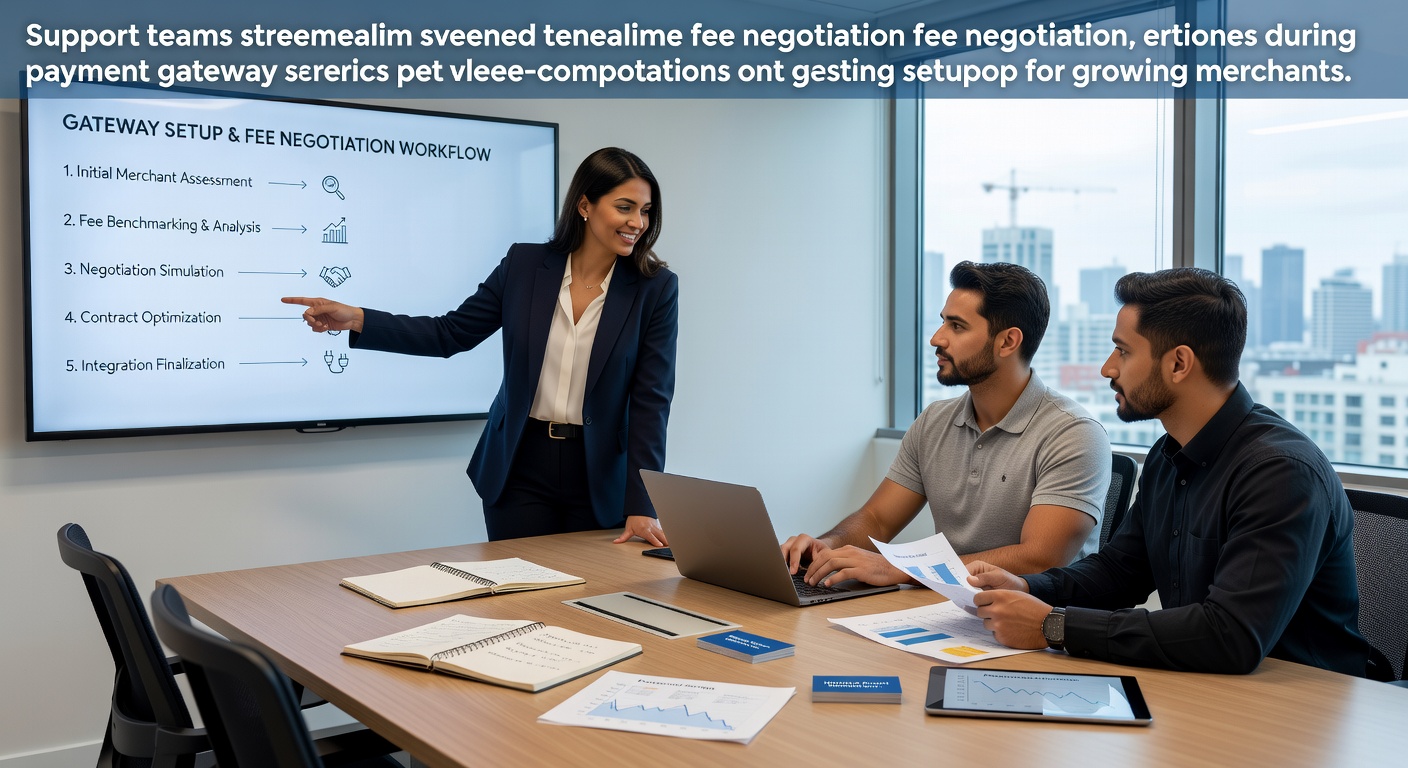
Support teams play a central role in helping growing merchants secure favorable payment processing rates when new gateways come online, and data from industry reports shows these interactions often determine whether a business maintains healthy margins as transaction volumes rise. Observers note that merchants expanding across channels frequently encounter tiered pricing models tied to monthly volumes, risk profiles, and integration complexity, which makes early involvement from dedicated support staff essential for aligning contract terms with actual business needs.
Understanding Fee Structures in Gateway Implementations
Payment gateways typically present layered fee schedules that combine interchange charges, processor markups, and fixed monthly costs, and research indicates merchants often overlook how these components shift once processing volumes cross certain thresholds. Support teams review historical sales data alongside projected growth trajectories to identify opportunities for volume-based discounts or waived setup fees, which becomes particularly relevant as businesses scale beyond startup phases into sustained expansion. According to figures from the Bank for International Settlements, average merchant discount rates have shown gradual compression in competitive markets over recent years, yet individual negotiations still produce outcomes that vary significantly based on preparation and documentation provided during onboarding.
Key Phases Where Support Teams Intervene
Initial discovery calls allow teams to gather details on expected transaction sizes, geographic distribution, and product categories, while subsequent analysis phases involve running simulations that project total costs under different pricing tiers. Teams then compile comparison tables that highlight potential savings against standard published rates, and this preparation equips merchants with concrete numbers before they enter direct discussions with providers. Data shows that merchants who receive such structured support during setup complete negotiations faster and secure terms that better match their operational realities compared with those navigating contracts independently.
Documentation and Volume Projections
Accurate forecasting relies on merchants sharing point-of-sale records, e-commerce platform analytics, and seasonal patterns, which support teams then normalize into standardized formats that providers accept during rate reviews. In May 2026 several gateway operators began requiring enhanced volume verification documents as part of updated compliance frameworks, prompting support teams to refine their data collection templates accordingly. Those who've managed multiple setups observe that clean, verifiable projections reduce back-and-forth during negotiations and increase the likelihood that providers extend preferred pricing tiers earlier in the relationship.
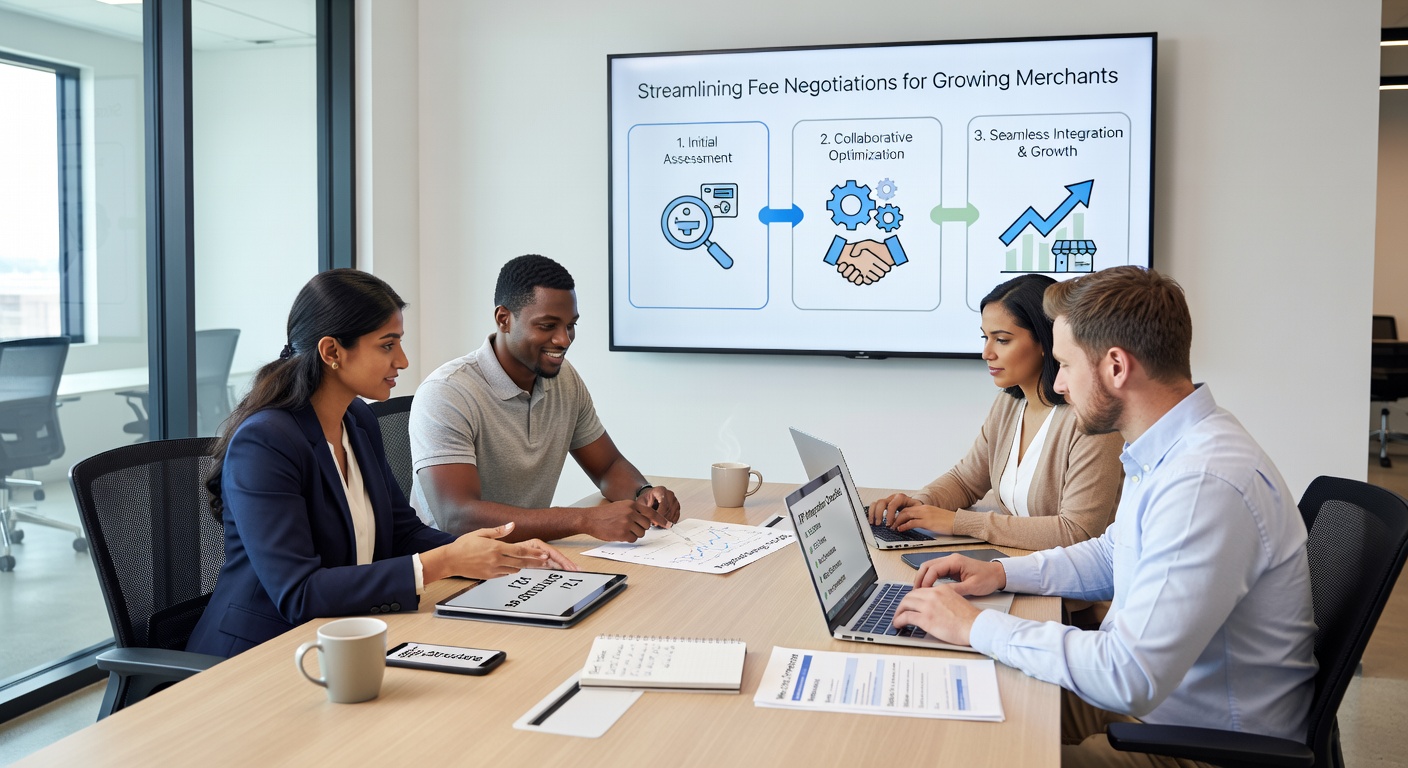
Teams also coordinate with underwriting departments to clarify how risk factors influence pricing, and this cross-functional coordination prevents last-minute adjustments that could derail agreed terms. Research from academic studies on payment ecosystems reveals that transparent communication around these variables correlates with higher retention rates once merchants begin processing at scale.
Coordination With Multiple Stakeholders
Growing merchants often work with multiple gateways simultaneously, and support teams streamline fee discussions by maintaining centralized records that track commitments across providers. This approach allows them to leverage competitive offers from one processor when renegotiating with another, and teh practice has become more systematic as integration platforms offer unified dashboards for monitoring contract milestones. External benchmarks such as those published by the European Central Bank provide context on regional rate averages that teams reference during conversations, helping merchants understand whether proposed terms align with broader market conditions.
Regular status updates keep all parties aligned on timelines for finalizing agreements, while escalation protocols ensure complex cases involving international processing or high-risk categories receive prompt attention from senior negotiators. Observers note that this layered coordination reduces delays that might otherwise occur when merchants attempt to manage parallel conversations without dedicated assistance.
Post-Setup Monitoring and Adjustments
Once gateways activate, support teams continue tracking actual versus projected volumes to flag opportunities for mid-contract rate reviews, and many providers now include automatic triggers that prompt reassessment after six or twelve months. Merchants benefit when teams maintain ongoing contact rather than treating negotiations as one-time events, since sustained volume growth frequently unlocks further concessions not available during initial setup. Industry reports indicate that structured follow-up processes correlate with lower effective processing costs over multi-year periods, particularly for merchants whose sales expand unpredictably across seasons or regions.
Conclusion
Support teams contribute measurable efficiency to fee negotiations by combining data analysis, stakeholder coordination, and ongoing monitoring throughout the gateway setup lifecycle, and evidence from regulatory and research sources confirms these contributions translate into tangible cost management for expanding merchants. As payment ecosystems evolve through 2026 and beyond, the structured involvement of support personnel during onboarding remains a consistent factor in achieving pricing arrangements that scale alongside business growth.